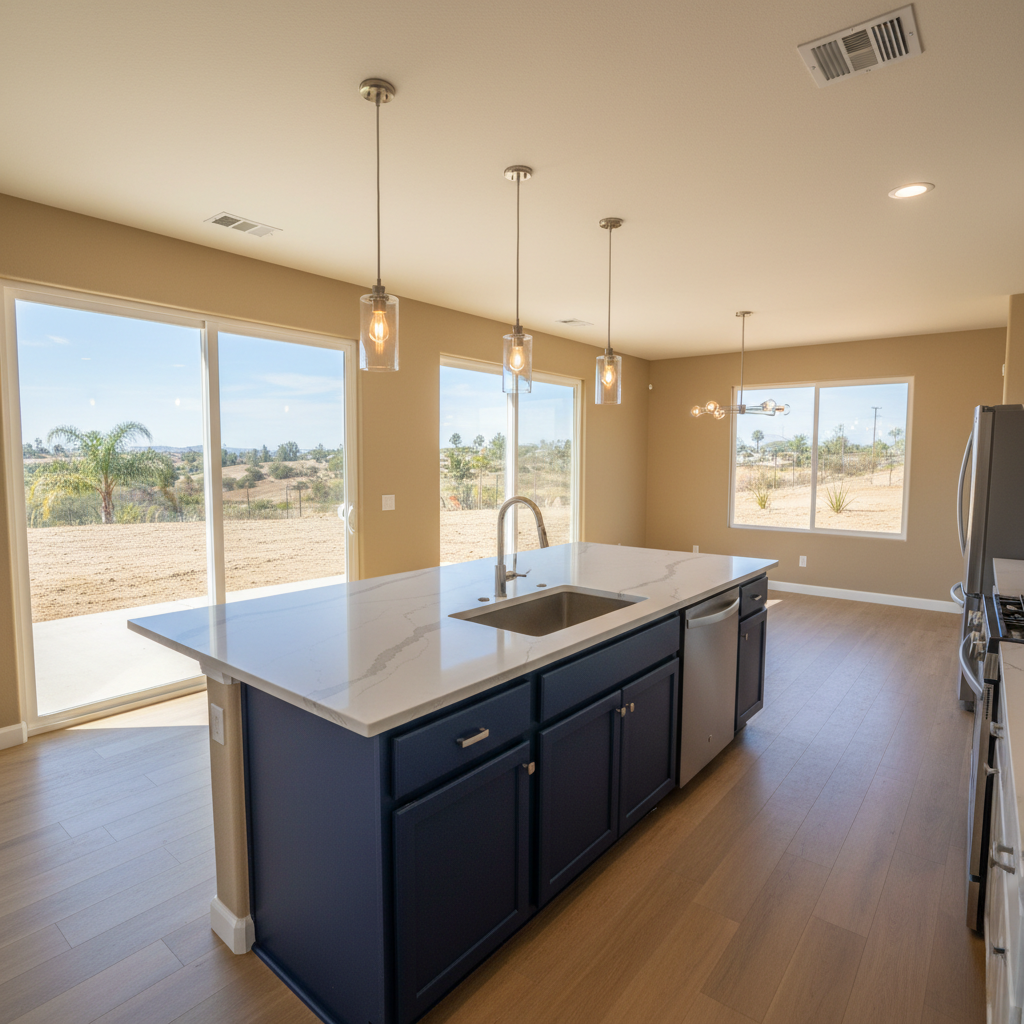
So, you're dreaming of a kitchen island, huh? Smart move. Islands aren't just pretty faces; they're serious workhorses. Think about it: extra counter space, more storage, even a spot for the kids to tackle homework while you get dinner ready – they really change how you use your kitchen. But hold on a second. Before you dive in, you need a solid plan. Trust me, a good plan saves you a ton of headaches and money down the line. I've seen too many projects go sideways when folks don't really know what's coming, so let's walk through it together.
Setting Your Timeline: What to Expect
Let's be honest, kitchen projects don't happen overnight. You're not just moving a piece of furniture here. Installing a kitchen island, especially if it involves plumbing or electrical work, has a lot of moving parts. Generally, from the moment you decide you want an island until it's completely installed and ready for action, you're looking at anywhere from a few weeks to a couple of months. Here’s a rough breakdown:
- Design & Planning (1-3 weeks): This is where you figure out exactly what you want. We're talking size, shape, materials, and all those cool features – a sink? A cooktop? Outlets for your gadgets? You'll meet with designers, get some quotes, and nail down your layout. Don't rush this part; it's the absolute foundation for everything else.
- Material Sourcing (2-6 weeks): Once you've given the design your stamp of approval, we start ordering everything. That means cabinets, countertops, any appliances that are part of the island, plumbing fixtures, electrical components. Lead times can really jump around, especially for custom cabinets or certain countertop materials.
- Permits (2-4 weeks, if needed): If you're moving walls, adding new plumbing lines, or making big changes to the electrical, you'll need permits from the City of Riverside. Your contractor should take care of this for you, but it definitely adds some time to the schedule.
- Installation (1-2 weeks): This is the hands-on part. Demolition (if necessary), getting the plumbing and electrical roughed in, cabinet installation, templating and installing the countertops, final plumbing and electrical hookups, and all those finishing touches. This phase is usually the quickest, but it's also the most disruptive.
Just remember, these are estimates. Things like supply chain hiccups or finding unexpected stuff behind walls can stretch things out a bit. Good communication with your contractor is super important here.
What to Expect During the Process
Alright, you've signed the contract, and your materials are on order. So, what's it actually like having your kitchen worked on? Well, it's going to be a little messy, and yes, it's going to be inconvenient. There’s just no getting around that.
- Noise and Dust: Demolition and construction are loud and dusty. Your contractor should definitely take steps to keep the dust contained, but some of it will still find its way around. We use plastic sheeting and air scrubbers, but it’s best to be prepared.
- Limited Kitchen Access: Depending on the size of the job, your kitchen might be completely out of commission for a while. Plan for takeout, grilling outside, or setting up a temporary kitchen in another room with a microwave and toaster oven.
- Workers in Your Home: You'll have different tradespeople coming and going. They're professionals, of course, but it's still an adjustment having strangers in your personal space. Make sure you feel comfortable with the team your contractor brings in.
- Inspections: If permits were pulled, city inspectors will need to come by at different stages to sign off on the work. This is totally normal and just ensures everything meets code.
At Champion Kitchen Remodeling, we really do our best to keep disruptions to a minimum, but a kitchen remodel is a big project. Patience, my friend, is a virtue here.
How to Prepare Your Home for Installation
You can make the whole process smoother for everyone involved. A little bit of prep goes a long, long way.
- Clear the Area: Empty out your existing cabinets and drawers, especially those close to where the island will go. Pack away dishes, food, small appliances. Think of it like moving, but just for one room.
- Protect Your Belongings: Cover furniture in nearby rooms with sheets or plastic to protect it from dust. Move any valuable or fragile items out of the work zone completely.
- Create a Pathway: Make sure there's a clear path from your front door (or wherever tools and materials will come in) straight to the kitchen. Move any rugs, decor, or furniture that might block the way.
- Secure Pets and Kids: Construction sites aren't safe for curious little ones or pets. Plan for them to be out of the way or supervised in a separate area during work hours.
- Plan Your Temporary Kitchen: Figure out where you'll make your morning coffee, wash dishes (if you can't use your main sink), and keep all your essentials.
The more organized you are upfront, the less stress you'll feel once the actual work begins.
Questions to Ask Before Signing That Contract
This part is absolutely crucial. Don't just pick the cheapest bid, okay? You're making a big investment in your home. Ask these questions:
- What's the detailed scope of work? Make sure everything you talked about is written down: materials, specific features, demolition, clean-up – the works.
- What's the payment schedule? A good, reputable contractor won't ask for half the money upfront. Expect an initial deposit, then payments tied to specific project milestones.
- Who will actually be doing the work? Subcontractors or your in-house crew? It's fine either way, but you should know. If they use subs, are they licensed and insured?
- What's your communication plan? How often will we get updates? Who's my main point of contact if I have a question?
- How do you handle changes or unexpected issues? Things happen, right? You want to know there's a clear process for change orders and how they'll affect both the cost and the timeline.
- What about permits and inspections? Will you pull all the necessary permits? Who handles scheduling those inspections?
- What's your warranty on labor? Good contractors stand behind their work, plain and simple.
- Can I see references or examples of similar island projects you've done in Riverside? This really builds confidence in their local experience, especially with things like older homes in the Wood Streets neighborhood or the specific foundation types we have around here.
- What's included in the clean-up? Will they haul away all the debris, or is that something extra?
Seriously, don't be shy about asking. A good contractor actually welcomes questions because it shows you're engaged in the process. Your kitchen island project should be exciting, not stressful. With a little planning and the right team, you'll be enjoying that beautiful new centerpiece in no time.